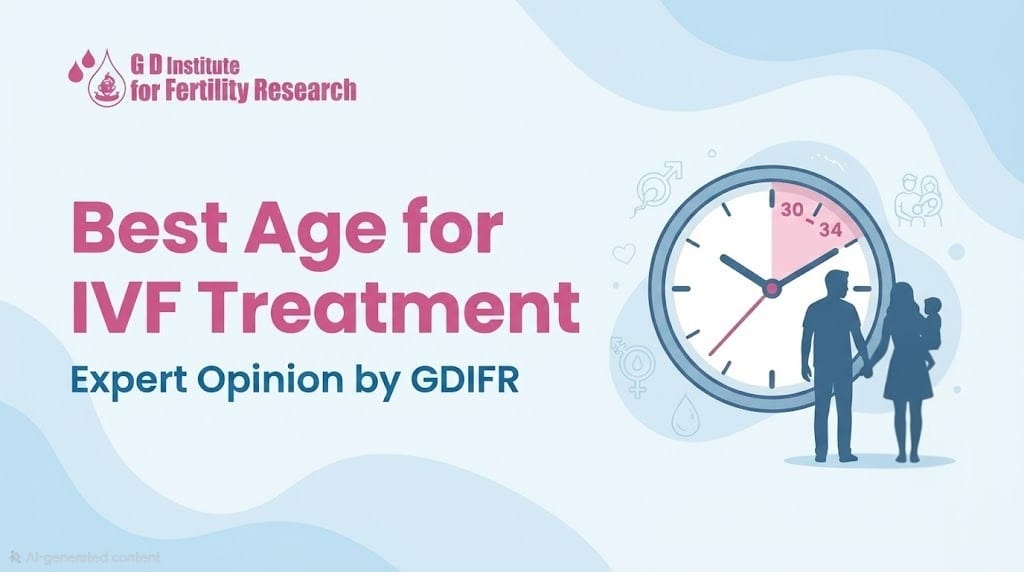
Best Age for IVF Treatment: What GDIFR Fertility Experts Say
Understanding the Best Age for IVF Treatment
The best age for IVF treatment is one of the biggest concerns for couples planning pregnancy. According to GDIFR specialists, age directly influences egg quality, ovarian reserve, and the IVF success rate. Knowing the right time to begin treatment helps avoid delays and increases the chances of becoming parents.
This guide explains the age limit for IVF treatment, the ideal time to start IVF, and how age affects IVF success rates.
IVF Age Limit Explained
Women are born with all the eggs they will ever have. As age increases:
-
Egg quantity decreases
-
Egg quality declines
-
Chromosomal abnormalities become more common
-
Ovarian reserve reduces
Because of these natural changes, the IVF age limit is an important factor when planning a family.
Which Age Is Best for IVF?
GDIVF fertility experts recommend the following:
Age 25 to 35: Best Age for IVF Treatment
This is considered the ideal age range for IVF. Reasons include:
-
Healthiest egg quality
-
Strong hormonal balance
-
Higher implantation chances
-
Lower risk of miscarriage
Age 35 to 38: Good Success but Gradual Decline
Fertility is still good, but IVF may require additional medical support. Egg quality and ovarian reserve begin to drop during this time.
Age 38 to 42: IVF Possible but More Complex
In this age range:
-
Egg quality is lower
-
Ovarian reserve may be limited
-
IVF may require advanced techniques such as ICSI or blastocyst transfer
Above 42: Best Results with Donor Eggs
Success rates with own eggs are extremely low after 42. Donor eggs significantly improve chances of pregnancy.
How Age Affects IVF Success Rates
Below is the general trend of IVF success rate by age:
-
Under 35: 45%–60%
-
35 to 37: 35%–45%
-
38 to 40: 20%–30%
-
41 to 42: 10%–15%
-
Above 43: Less than 5% with own eggs
This clearly shows how age affects IVF success rates, making early evaluation important.
What Is the Right Age for an IVF Procedure?
- If You Are Under 35
Try naturally for 12 months. If pregnancy does not happen, consult a fertility specialist.
- If You Are Between 35–40
Try naturally for 6 months. After that, get a fertility assessment.
- If You Are Above 40
- Immediate evaluation is recommended. Quick action helps improve outcomes.
Other Factors Beyond Age That Influence IVF Success
Age is important, but IVF success also depends on:
-
AMH and FSH levels (hormone health)
-
Sperm quality
-
Uterine health
-
Lifestyle, stress, and weight
-
Conditions like PCOS, endometriosis, thyroid issues
GDIVF offers a full fertility evaluation to create the best treatment plan.
Expert Recommendations from GDIFR
GDIVF experts suggest:
- 25–35 years
Best age for IVF treatment with the highest success.
- 35–38 years
Good chances with proper medical support.
- 38–42 years
Advanced IVF techniques may be required.
- Above 42 years
Donor eggs are recommended for higher success.
Every couple’s fertility journey is different. Personalised treatment is the key.
FAQs on IVF Age & Success
1. What is the best age for IVF treatment?
The best age for IVF is between 25 and 35 years.
2. Can IVF work after age 40?
Yes, but the success rate is lower. Advanced technologies like ICSI may help.
3. Is IVF possible after age 42?
Yes, but with low success using own eggs. Donor eggs work better.
4. What tests determine IVF readiness?
AMH, FSH, AFC scan, and complete hormone profile.
5. Can lifestyle improve IVF results?
Yes—healthy weight, proper sleep, and reduced stress improve IVF outcomes.
Blogs & Learnings
IVF Knowledge, Research & Fertility Insights
Explore expert-written blogs, fertility education articles, and research-based insights from the GDIFR team. Our content helps couples understand infertility causes, IVF treatments, success factors, and the latest advancements in reproductive medicine—supporting informed decisions through trusted medical knowledge.

Treating Infertility With Herbal Medications – Explaine…
Understanding the Best Age for IVF Treatment The best age for IVF treatment is one of the biggest concerns for couples planning pregnancy. According to GDIFR specialists, age directly influences…
Read More
Best Age for IVF Treatment: What GDIFR Fertility Expert…
Understanding the Best Age for IVF Treatment The best age for IVF treatment is one of the biggest concerns for couples planning pregnancy. According to GDIFR specialists, age directly influences…
Read More
How Embryology Innovations Improve IVF Success – Resear…
Understanding the Best Age for IVF Treatment The best age for IVF treatment is one of the biggest concerns for couples planning pregnancy. According to GDIFR specialists, age directly influences…
Read More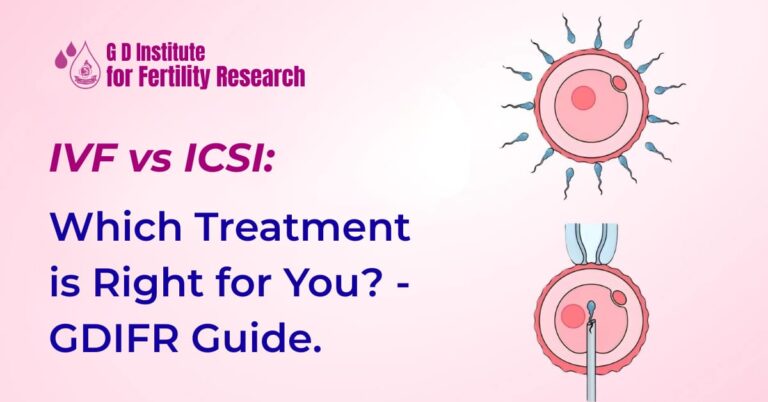
IVF vs ICSI: Which Treatment Is Right for You? – GDIFR …
Understanding the Best Age for IVF Treatment The best age for IVF treatment is one of the biggest concerns for couples planning pregnancy. According to GDIFR specialists, age directly influences…
Read More
Common IVF Mistakes Couples Make & How to Avoid Th…
Understanding the Best Age for IVF Treatment The best age for IVF treatment is one of the biggest concerns for couples planning pregnancy. According to GDIFR specialists, age directly influences…
Read More
Understanding IVF: A Step-by-Step Guide for Beginners
Understanding the Best Age for IVF Treatment The best age for IVF treatment is one of the biggest concerns for couples planning pregnancy. According to GDIFR specialists, age directly influences…
Read MoreTHE MAN BEHIND GDIFR SUCCESS
Dr. Sudarshan Ghosh
Dastidar –
Founder & IVF Pioneer In Kolkata
Parenthood is a dream. For over 40 years, my work has been devoted to helping couples realise that dream with dignity, hope, and trust. GDIFR is not just a clinic — it is a research-driven fertility institute where we explore every possibility to make parenthood achievable. After helping thousands become parents, my mission remains unchanged: no couple should ever face this journey alone.